
Marine Safety & Security Sites
AIS Receivers: The highest standard of reliability and lowest latency for vessels operating near shore to detect potential incidents and initiate a timely response. In lieu of building a separate AIS network in Alaska, the Coast Guard has contracted MXAK for access to its terrestrial AIS data since 2008.
AIS Transceivers (ATONs): Provide real-time broadcasts of weather conditions, potential hazards, and navigational warnings. ATONs are globally recognized as the best available technology to disseminate information to mariners.
Digital Selective Calling (DSC) Receivers: Receives VHF CH-70 transmissions and relays them to the 24/7 Maritime Operations Center.
VHF-FM Transceivers: Increased communication capabilities for Alaska that have received distress calls that the Coast Guard’s Rescue 21 System has not detected, either due to range limitations or degraded service.
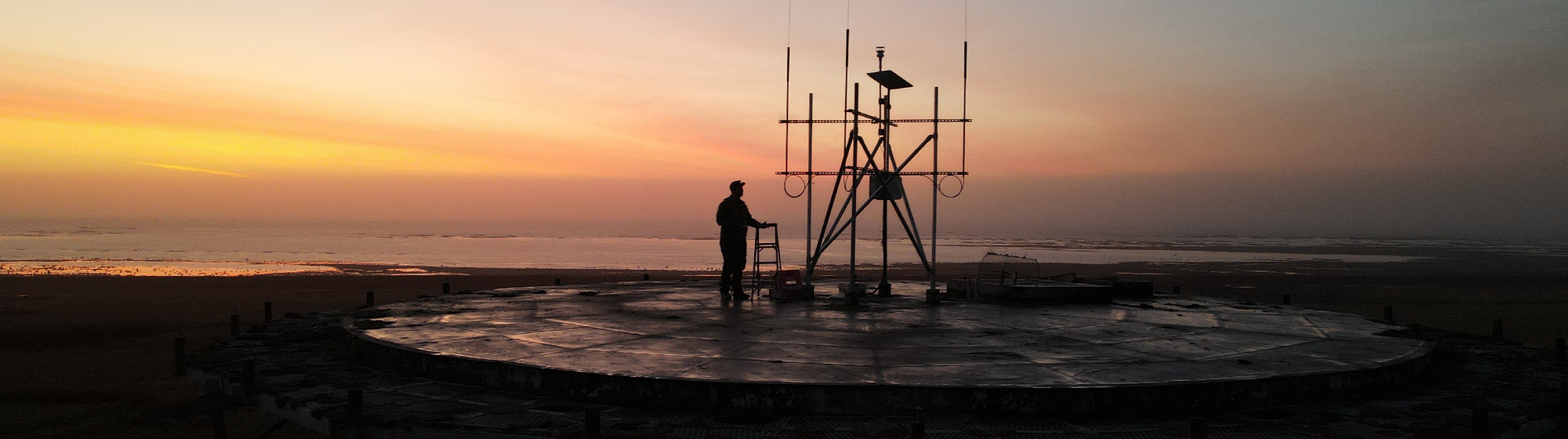
Independent Terrestrial Weather Stations: Fills gaps and provides real-time environmental conditions to mariners, the National Weather Service, and international weather model providers.
Mobile Marine Safety Sites: Weather conditions collected and transmitted in real-time from vessels navigating the most remote areas to provide data in regions where observations have previously not existed. All of the Alaska Marine Highway System’s ferries and several industry partner vessels are equipped and participating.
Two-way Satellite Communications Radio: Allows the Maritime Operations Center to contact vessels with similar equipment, including a large number of vessels operating in the Bering Sea and beyond.