
Our History
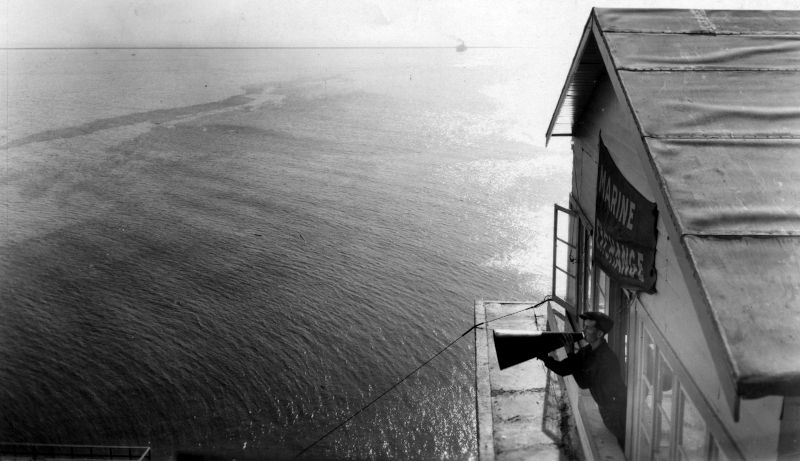
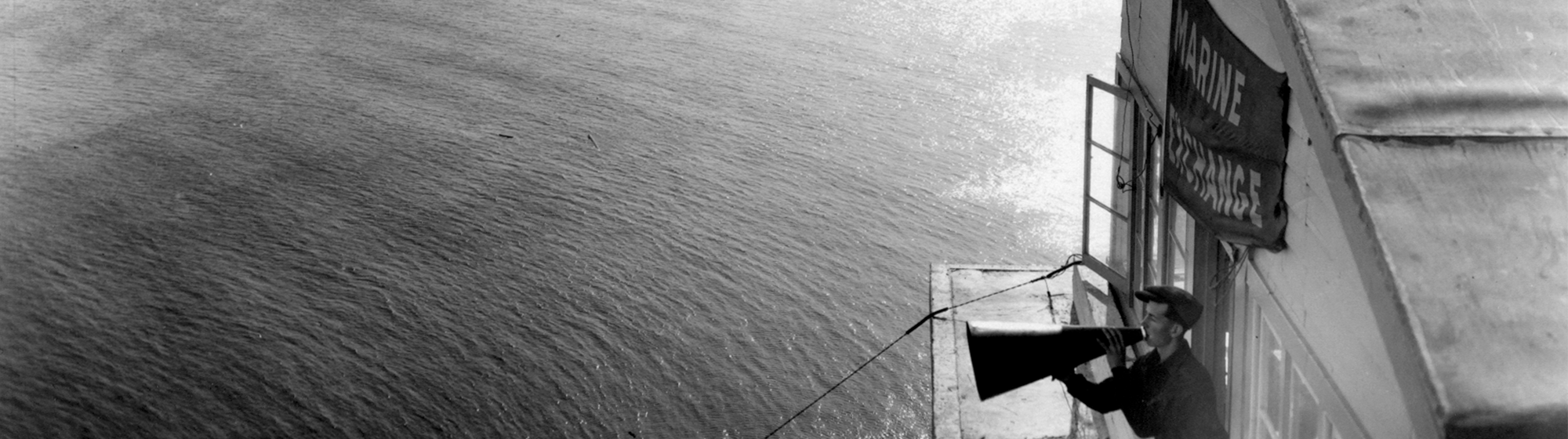
From bulletin boards and megaphones to sophisticated technology and strong partnerships.
Marine exchanges in the United States emerged to support the safe, efficient, and reliable movement of vessels in and out of busy ports. As maritime trade expanded and ports grew more complex, ship operators, pilots, port authorities, and insurers recognized the need for shared, trusted information about vessel movements, weather conditions, harbor hazards, and arrivals and departures.
Early marine exchanges were typically nonprofit, industry‑supported organizations formed in major ports to serve as neutral hubs for maritime information. Their core purpose was to improve situational awareness, reduce navigational risk, and protect life, property, and the marine environment. Over time, these organizations became valued partners to government agencies, particularly the U.S. Coast Guard, by supporting vessel traffic awareness, emergency response coordination, and port safety initiatives.
As technology advanced, marine exchanges evolved from manual reporting and visual observation to radio communications, radar, and ultimately digital vessel tracking systems. Today, modern marine exchanges integrate Automatic Identification System (AIS) data, real‑time weather, communications infrastructure, and historical analytics to support maritime domain awareness. While each exchange is shaped by the needs of its local port or region, all share a common mission: strengthening maritime safety through collaboration, information sharing, and prevention.